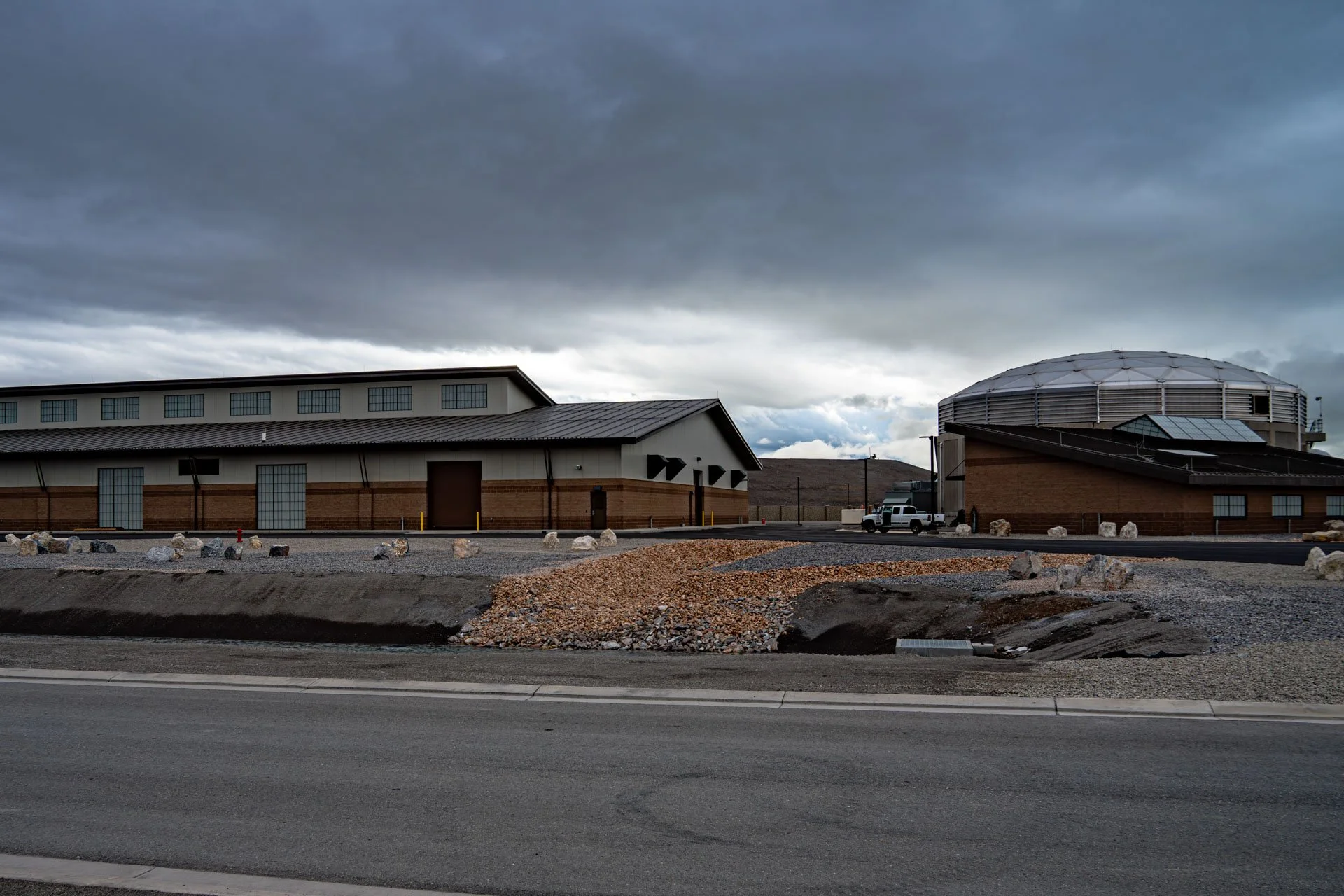
VINEYARD GROUNDWATER POLISHING
Mike Hartwell
Powering a New Civic Landmark
Article by: Mike Hartwell - Project Manager
A Lasting Impact
The Vineyard Groundwater Polishing project is one of those jobs that sticks with you, not just because of its size, but also because of what it represents. It’s a facility that will play a direct role in providing clean, reliable water to communities across northern Utah County. Being part of something that effects the quality of life of thousands of people gives the work a different level of meaning.
Water Treatment at a grand scale
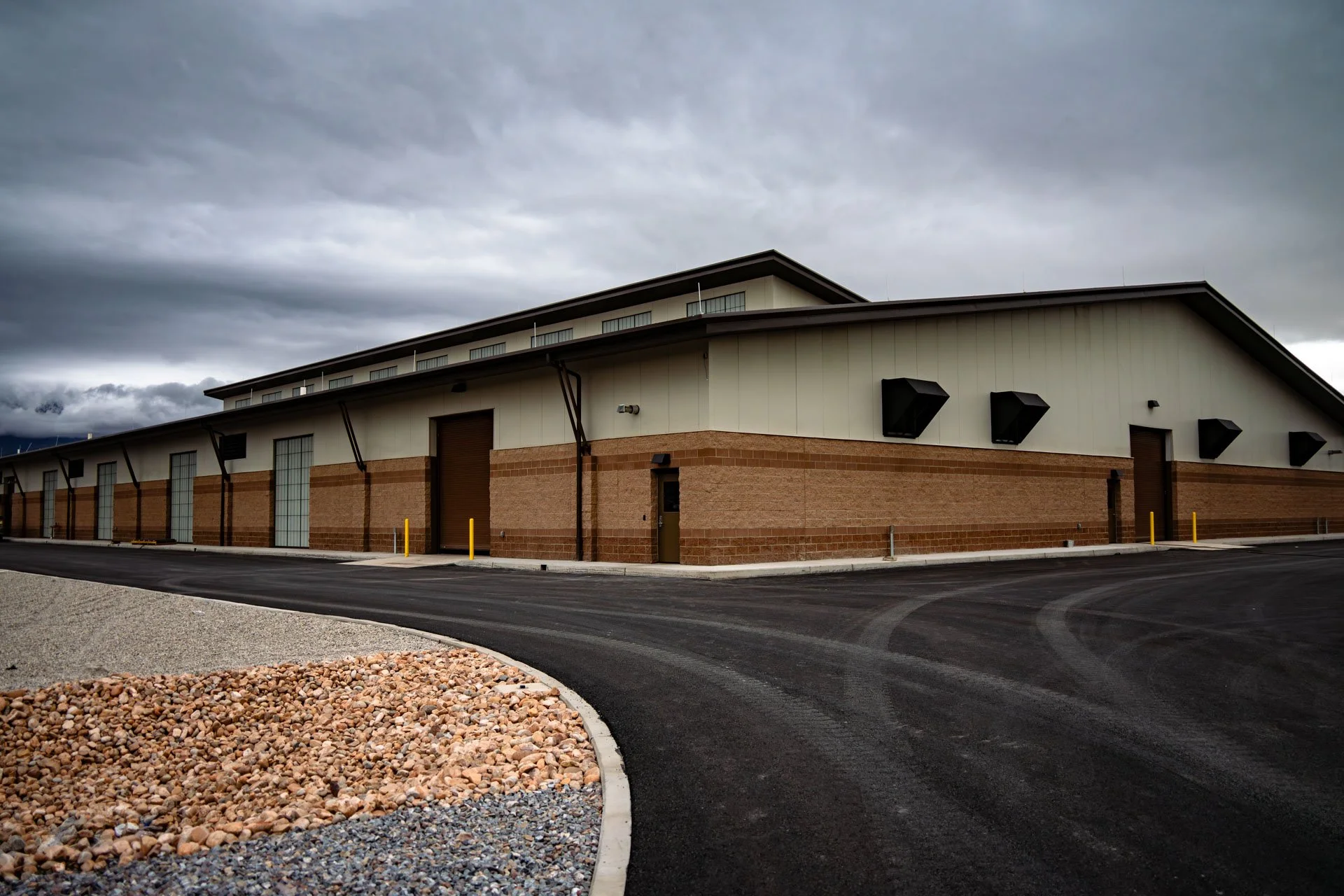
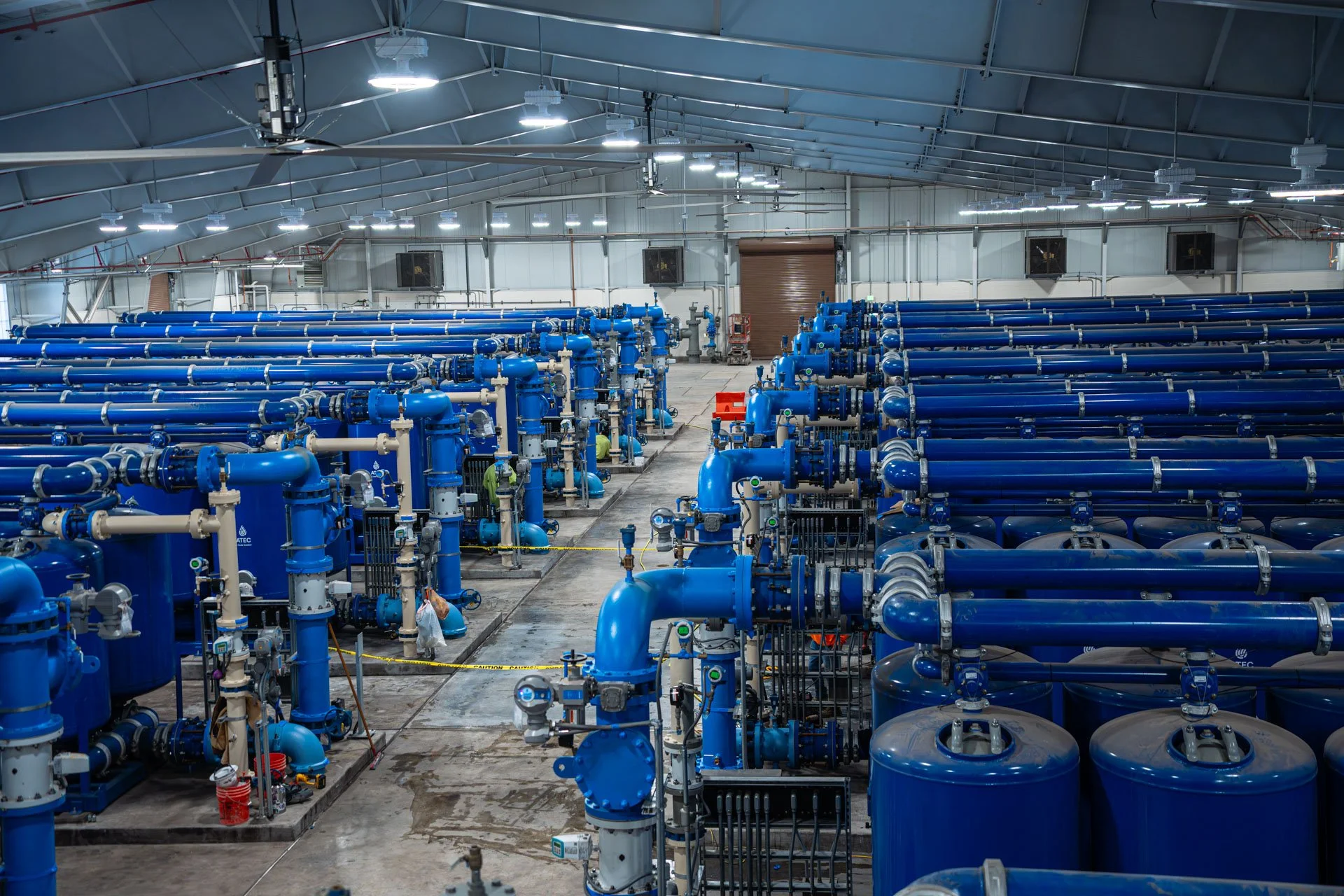
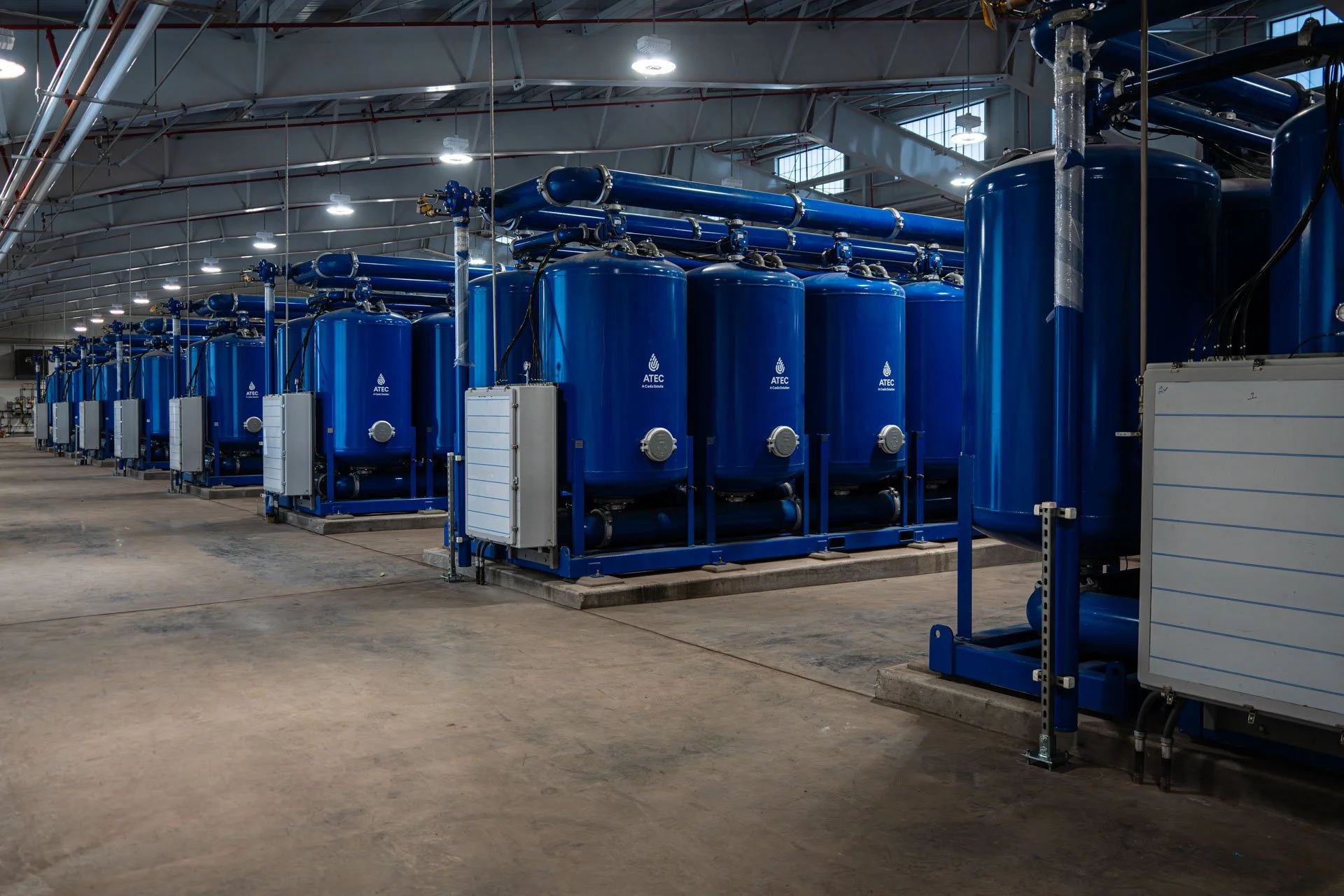
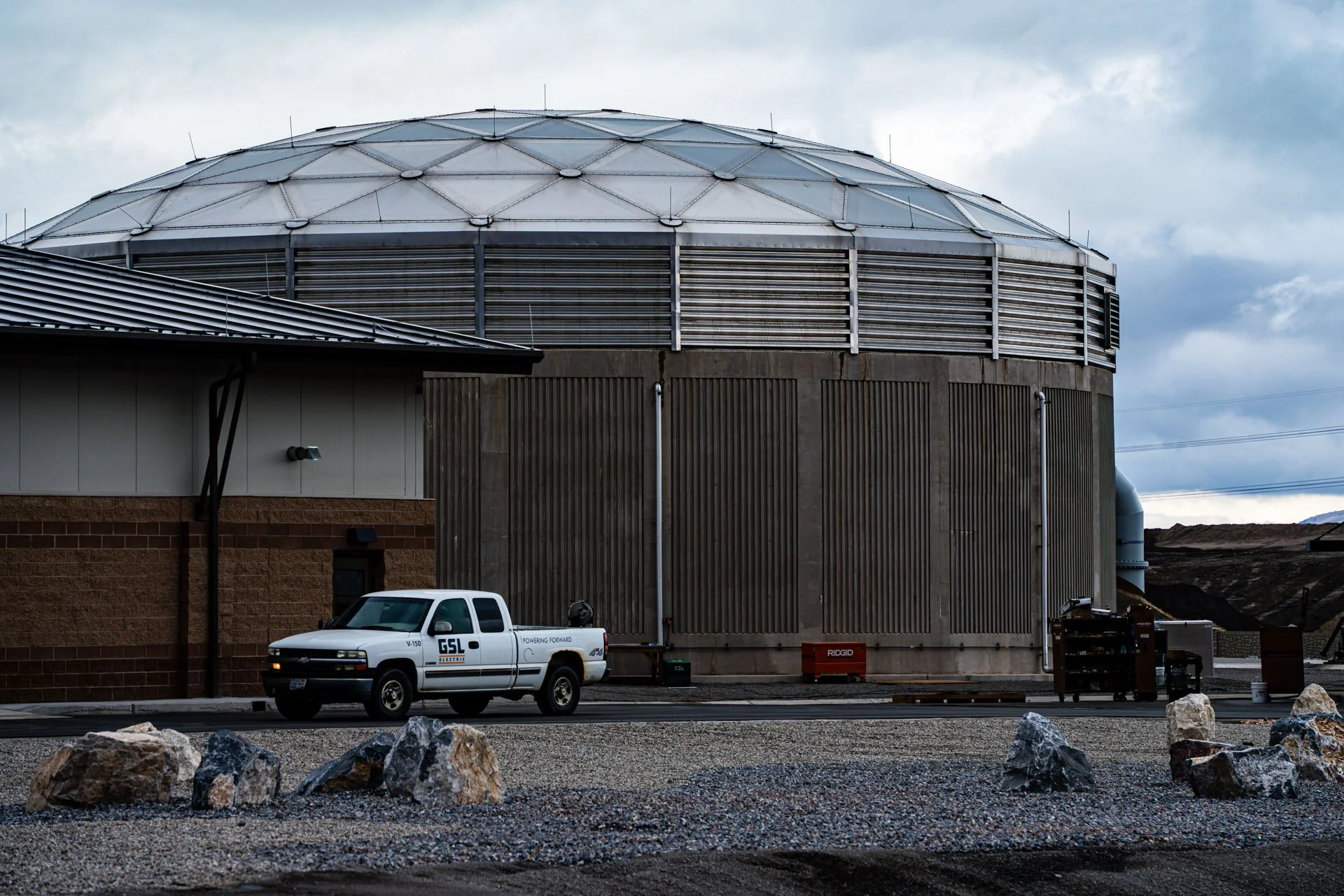
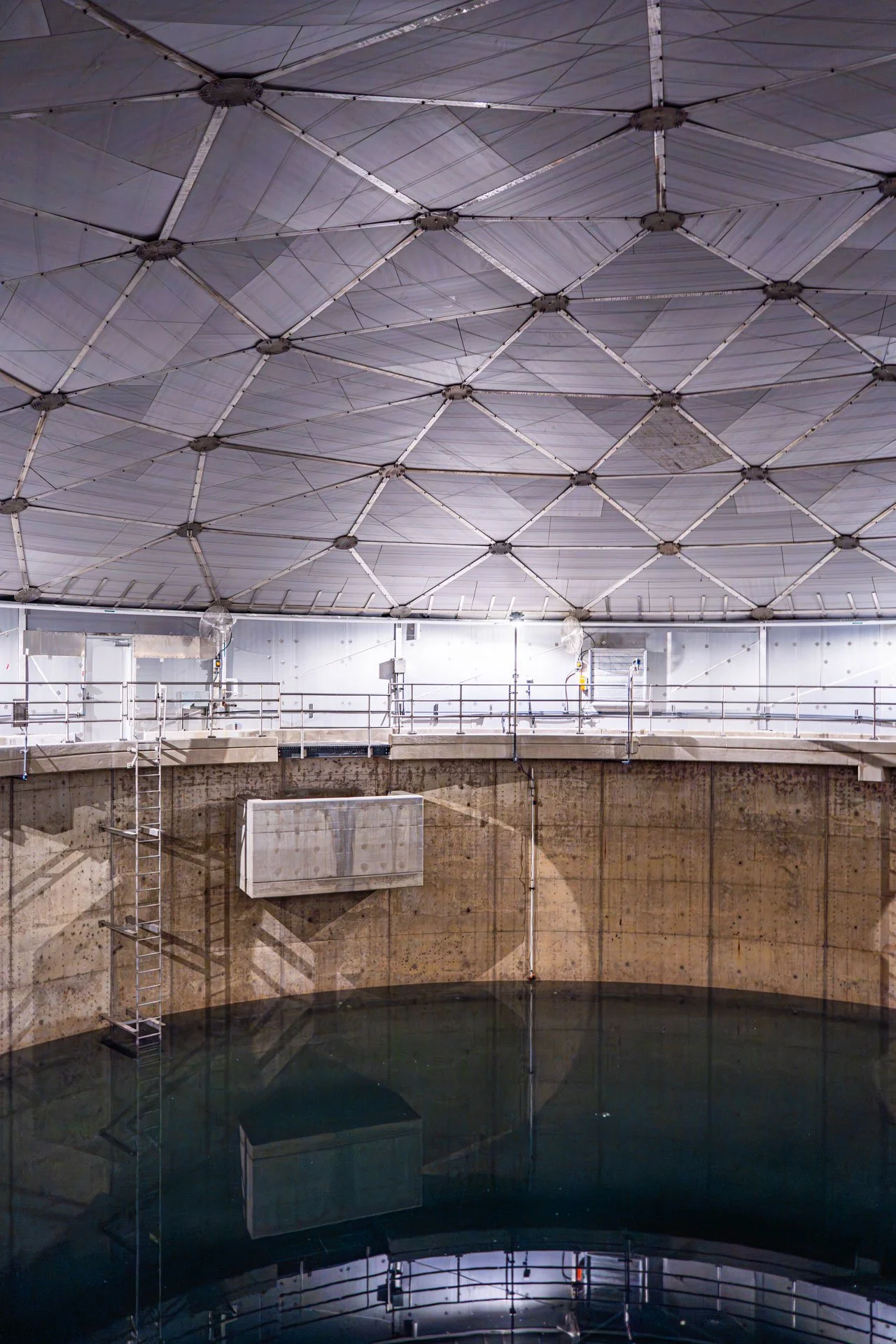
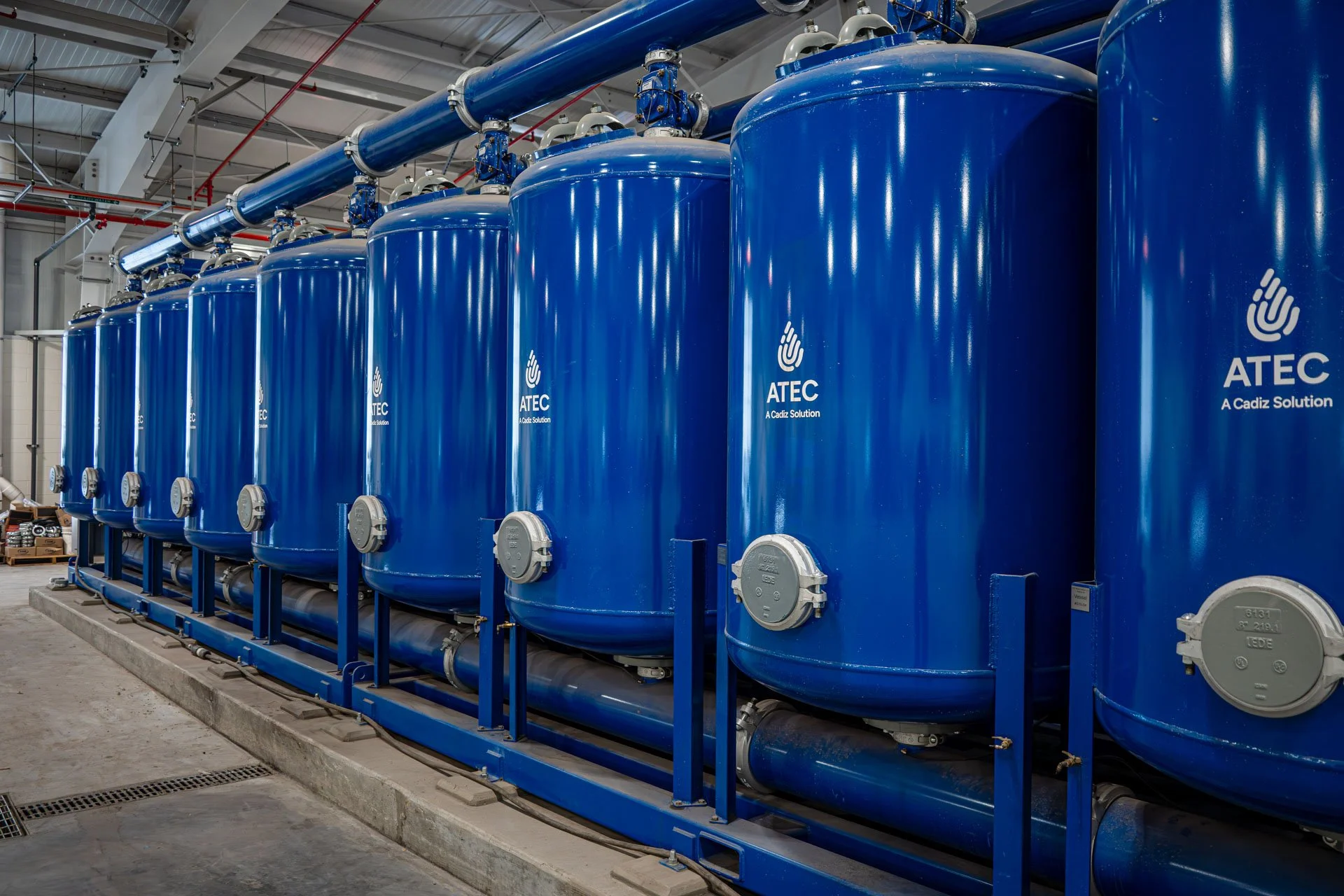
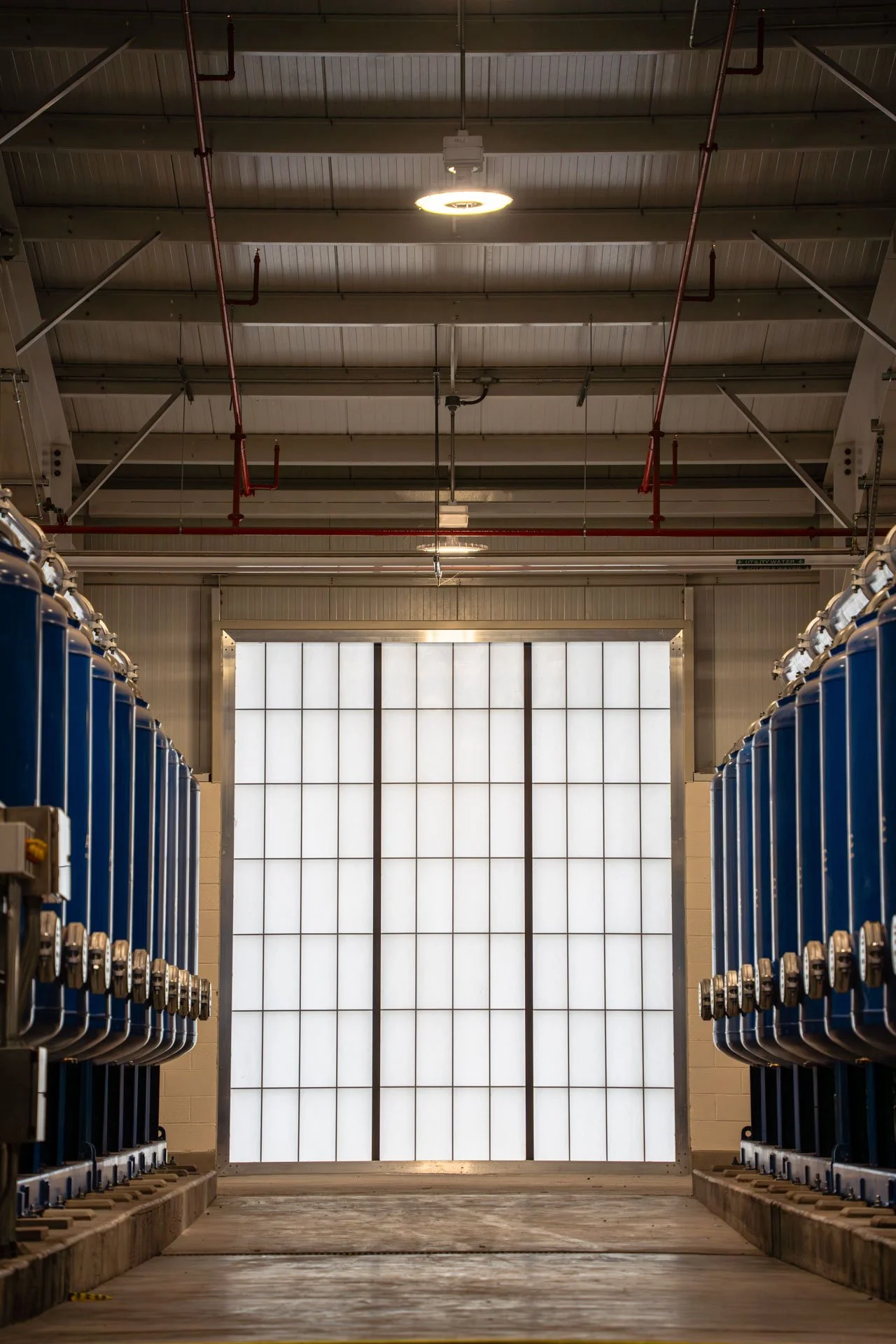
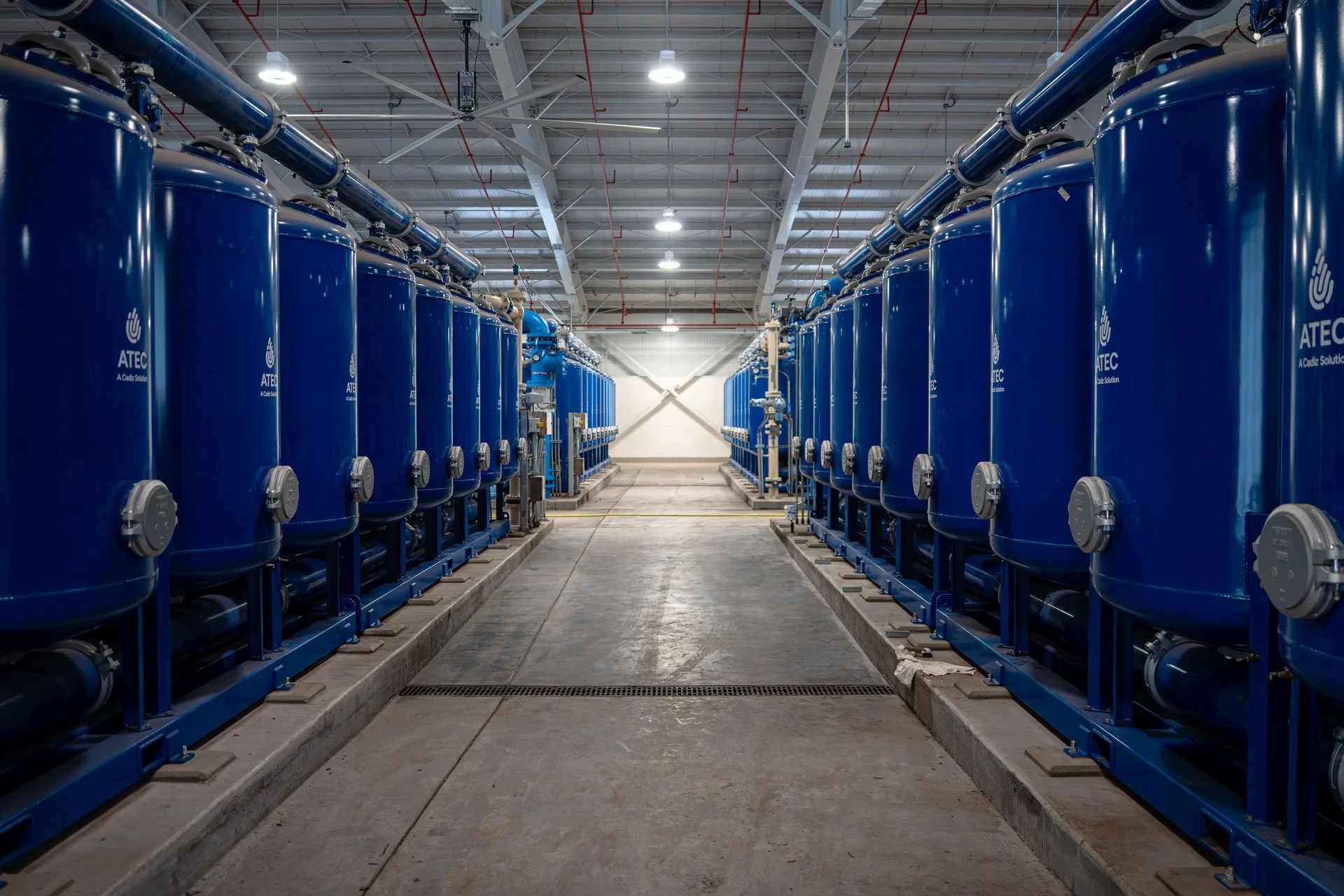
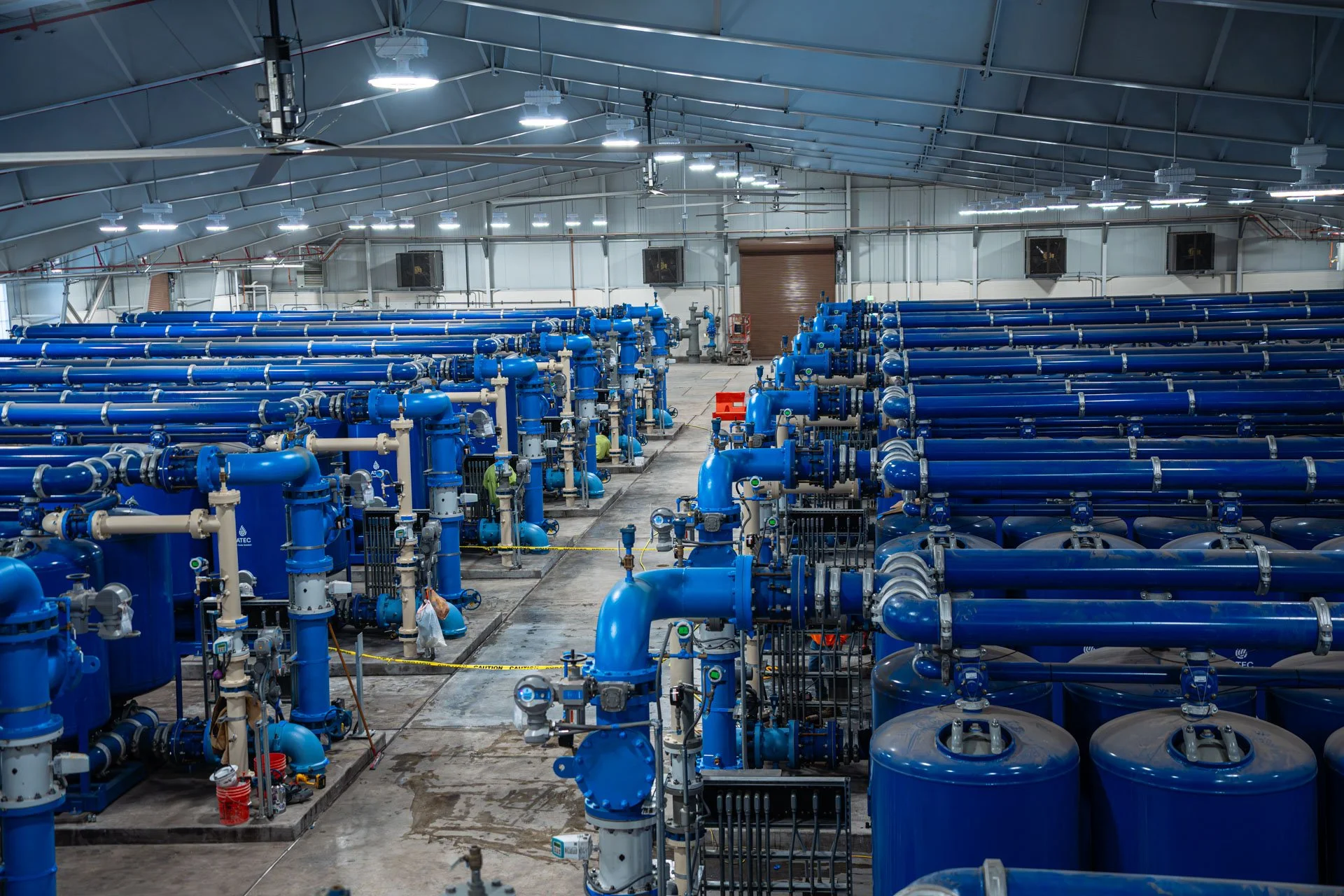
At its core, this project is a comprehensive water polishing plant, built to handle and improve water quality at a large scale. The system includes 320 pressure vessels working together to treat up to 51 million gallons of water daily. When you stand in the middle of it and see the scale of what’s been put together, it really drives home how much coordination and effort went into making it all work.
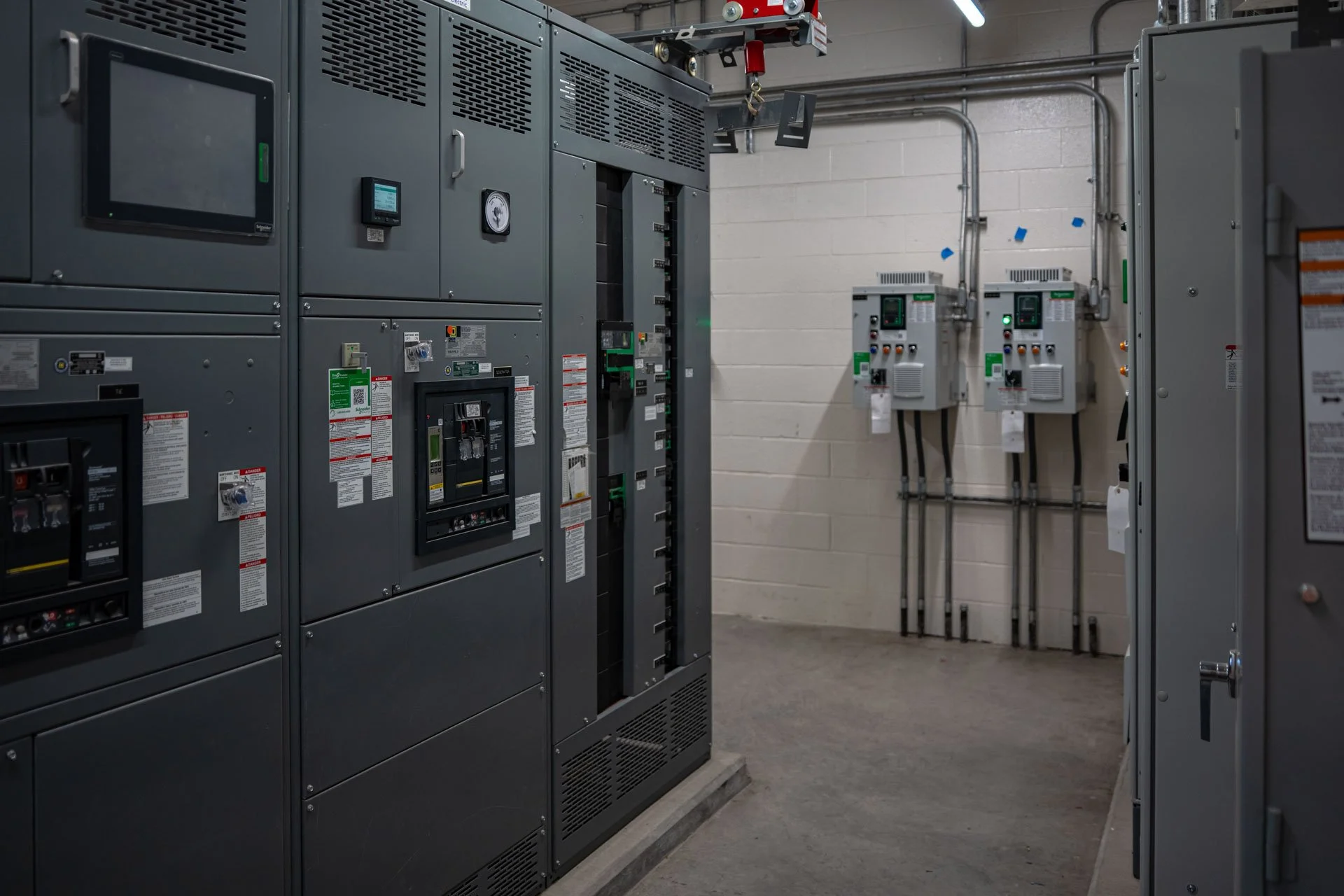
From an electrical standpoint, this was a major undertaking. There were about 371,000 feet of cable installed across the site, supporting a 480/277V, 1600 amp service along with a 500KW generator. Altogether, the work represented nearly $12 million in electrical scope. But beyond the numbers, it was the day-to-day effort from the crew that made it happen. Over 32,000 manhours went into this job, and every bit of progress came from people showing up ready to work and solve problems.
A complex endeavor
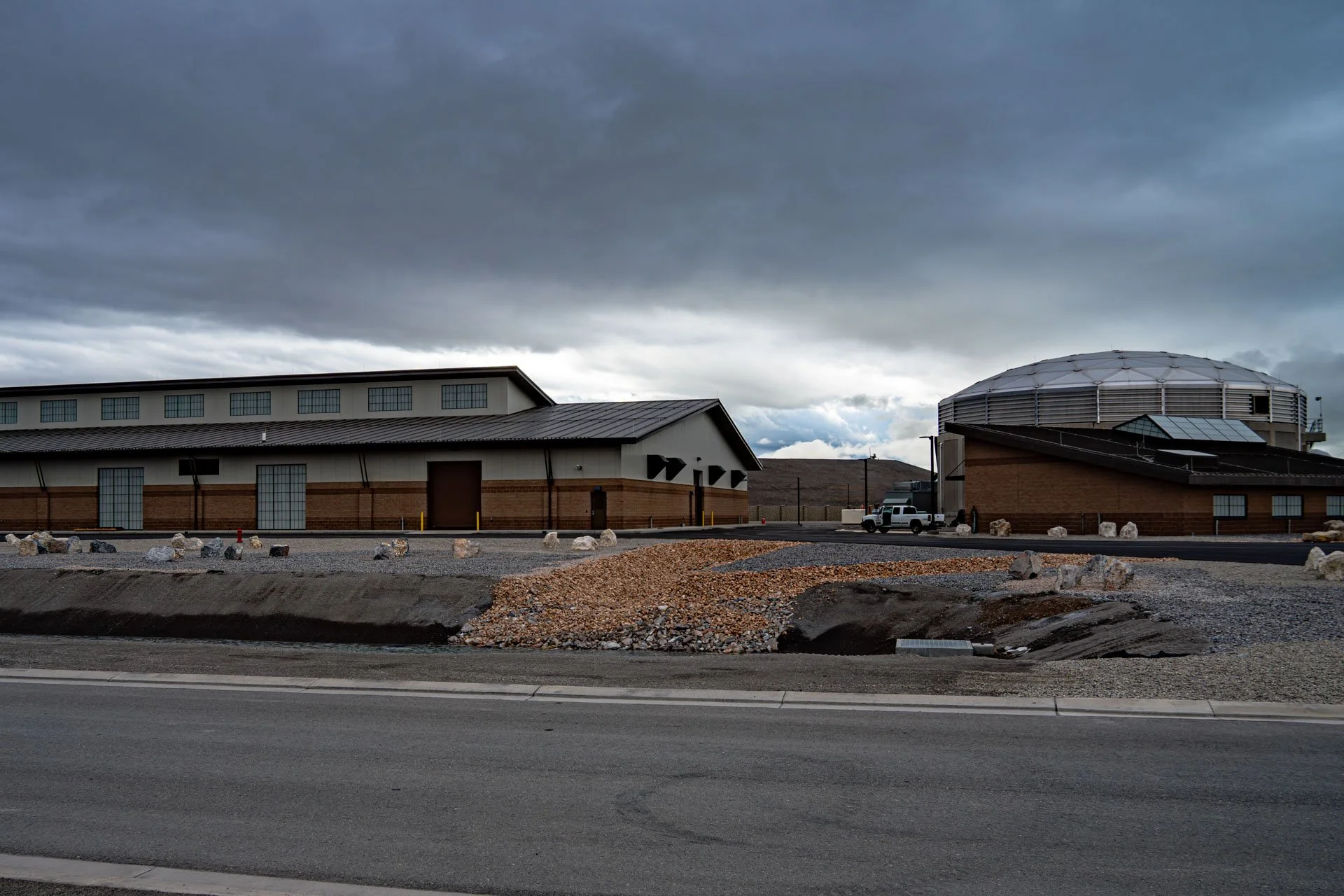
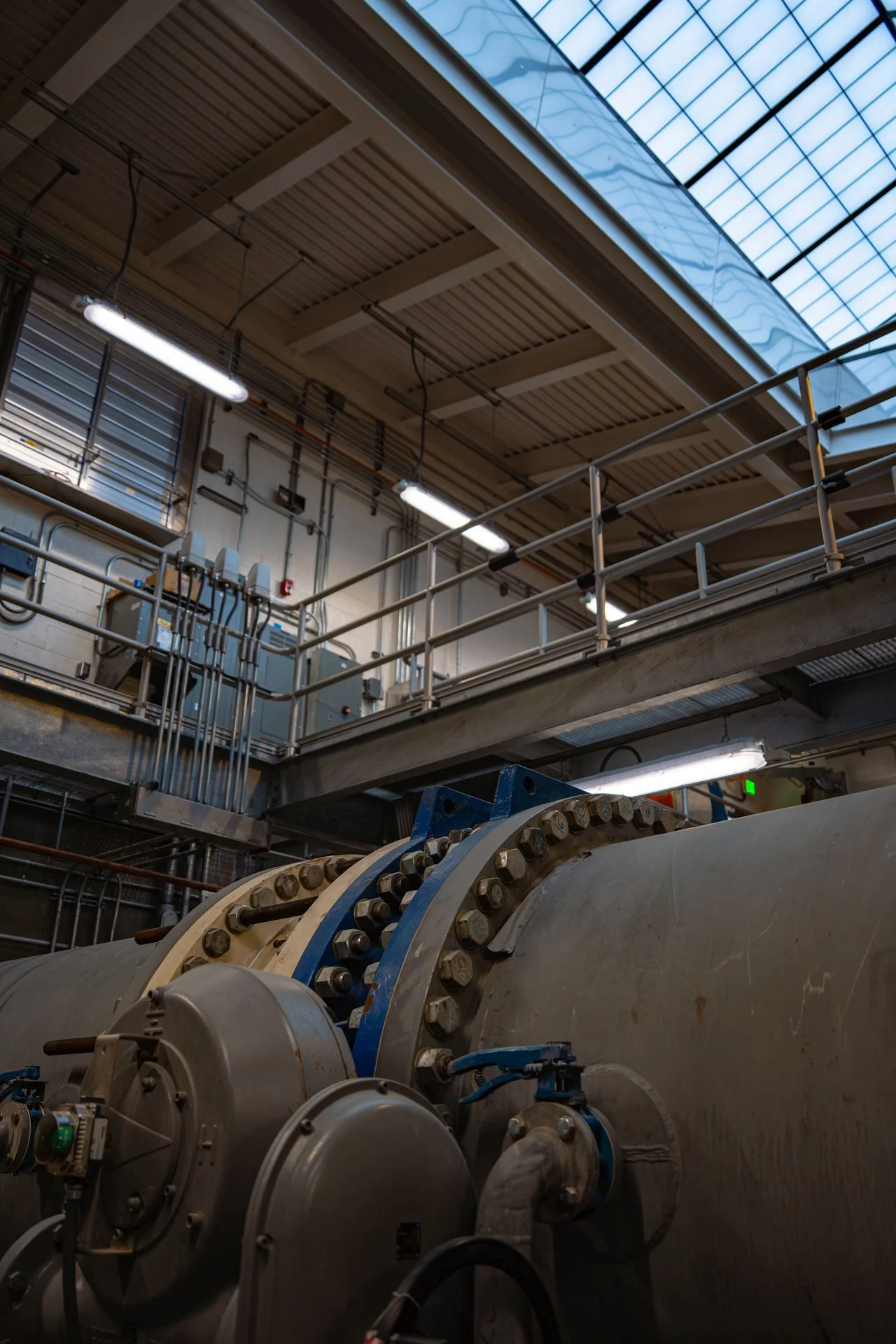
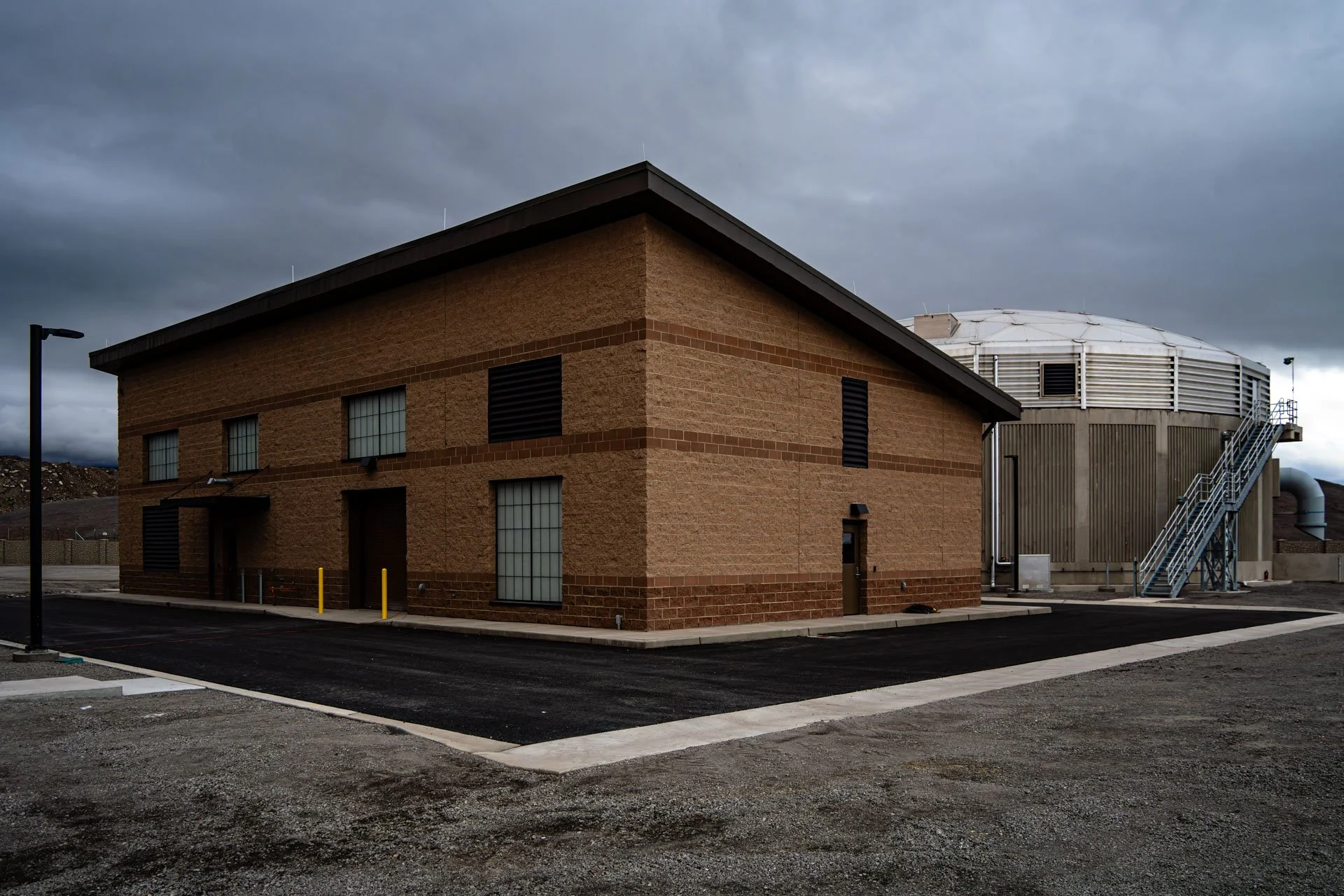
One of the biggest challenges we faced was the nature of the project itself. This facility is the first of its kind in Utah, so there wasn’t a clear playbook to follow. On top of that, we had five separate structures being built at the same time, all moving on different schedules but still needing to come together as one complete system. There were also critical components, like two 60-inch water lines running through the center of the filter building, that had to be installed and tested before vertical construction could even begin. That kind of sequencing required a lot of planning and patience.
Even with all of that, the team found ways to stay ahead where it mattered. One example was the decision to install most of the conduit underground in the filter building early on. It wasn’t something that necessarily saved money, but it helped keep the project on schedule, especially with so many moving parts happening at once. Sometimes the biggest wins aren’t about cost, they’re about keeping momentum.
In capable hands
This job also gave a lot of people the chance to grow. The crew, for the most part, didn’t come in with deep industrial experience. That’s where strong leadership made a difference.
Kelly Blackard did an outstanding job planning ahead, maintaining a safety mindset in the crew, and guiding the team, especially when it came to underground work and keeping things organized. Just as important, he took the time to teach and mentor, which helped build confidence across the crew.
Jeremy Tabone hopped onto the project halfway through the construction of the filter building. His leadership and guidance helped push that portion of the project to the finish line.
Canon Roberts also stepped into a big role on this project. This was his first experience working on multiple structures being built at the same time, and he handled it well. Watching him take that on and being successful was one of the more rewarding parts of the job.
At its peak, we had around 20 electricians on site, all working across different areas but toward the same goal. It took coordination, communication, and a lot of trust in each other to bring everything together.
Looking back, this project stands out not just because of what was built, but because of how the team came together to build it. I’m grateful to have been part of it and proud of the work that went into something that will serve so many people every day.